
Air Fry Haddock Recipe
There’s something magical about perfectly crispy fish that flakes apart at the gentlest fork pressure. When I discovered how to make restaurant-quality haddock at home using my air fryer, I realized I’d been overcomplicating seafood for years. This recipe gives you that golden, crunchy coating with tender, moist fish inside—and it’s ready in under 15 minutes. Pair it with bright sides like fresh pineapple salsa or classic baked potatoes for a complete meal that tastes like you spent hours in the kitchen.
How a Simple Coastal Meal Changed My Cooking Philosophy
I grew up in a home where Friday night meant fish. My grandmother would stand at the stove with her cast iron, filling the house with the aroma of fresh-caught haddock and herbs. Back then, I thought that golden crust required oil, heat, and constant attention. It wasn’t until years later, after culinary training and countless kitchen experiments, that I realized the air fryer could replicate that magic—without the mess, without the splatter, and without the guilt of deep frying.
The first time I made this recipe in my air fryer, I was skeptical. Could this modern gadget really match the results my grandmother achieved? When I pulled out those fillets with their perfectly bronzed, crispy coating, I felt that same warmth I remembered from her kitchen. My family didn’t just eat dinner that night—they tasted a memory.
That’s what this recipe is about for me: bringing seafood back into weeknight cooking without the complications. Whether you’re a busy parent, a health-conscious eater, or someone rediscovering the joy of home-cooked fish, this air-fried haddock delivers.
What is Air Fry Haddock Recipe?
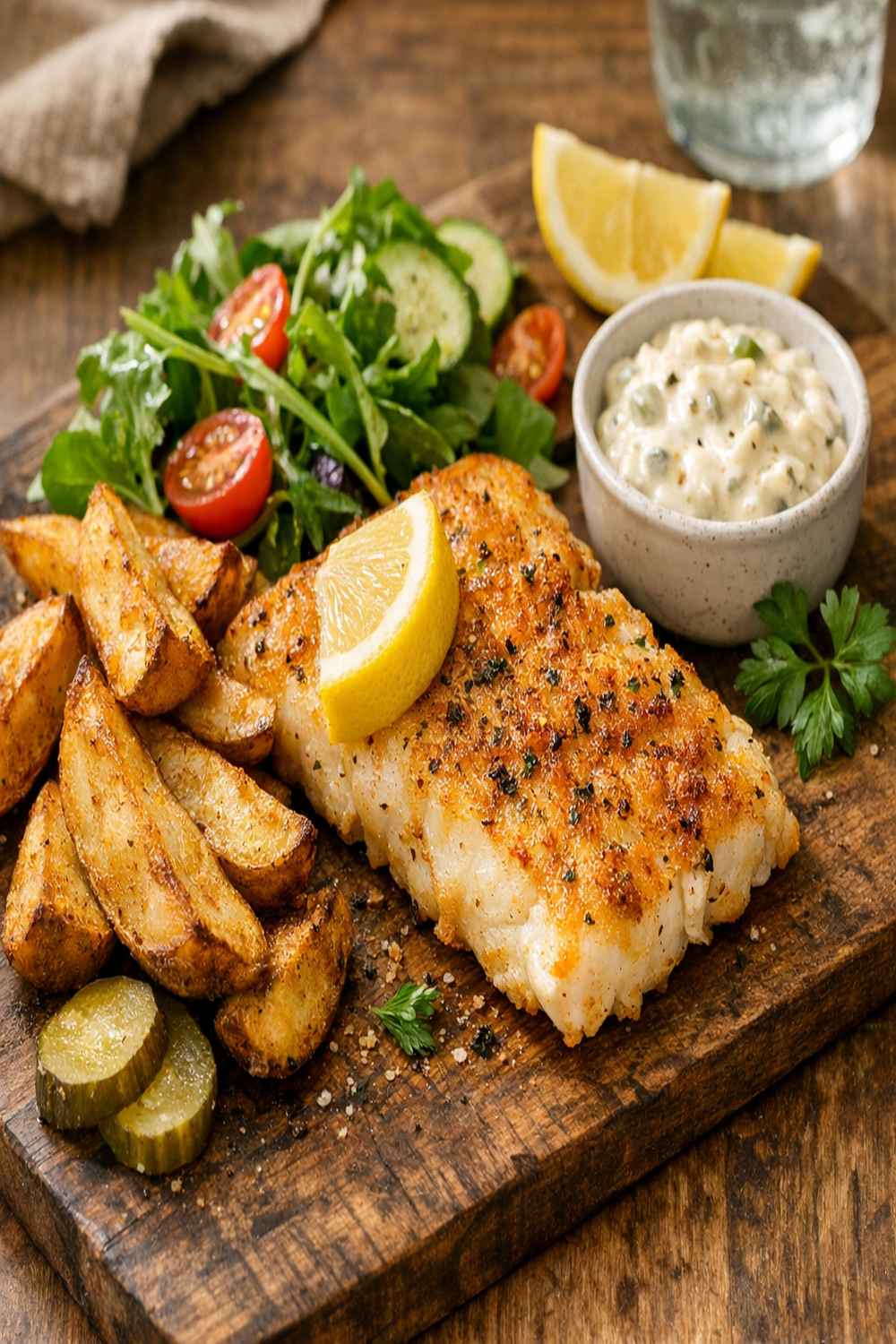
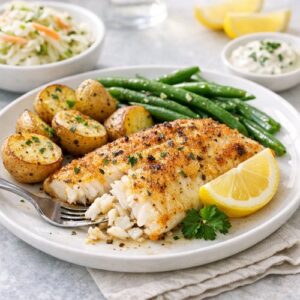
Air-fried haddock is a modern take on a classic preparation—a delicate white fish coated in a seasoned breadcrumb crust, cooked using circulating hot air instead of oil. The result is a dish that captures the texture and flavor of traditional pan-fried or deep-fried fish while being lighter and far more approachable for home cooks.
Haddock itself is a mild, flaky white fish from the Atlantic Ocean. It’s been a staple of coastal cuisine for centuries, particularly in New England and Northern Europe. What makes haddock special is its tender texture and subtle, slightly sweet flavor—it doesn’t overpower your palate, which means it plays beautifully with bold seasonings and bright sides.
The air fryer technique here is transformative. By coating the fish in a mixture of panko breadcrumbs, Parmesan, and herbs, then letting the air fryer’s intense, circulating heat do the work, you get a crispy exterior without the heaviness of traditional frying. It’s one of those recipes that feels indulgent but is genuinely healthier than its predecessors.
Why You’ll Love This Air Fry Haddock Recipe
- Incredibly Fast – From prep to plate in under 15 minutes. This is real weeknight cooking, not a weekend project. Even on my busiest days, I can have dinner on the table faster than ordering takeout.
- Restaurant-Quality Results at Home – That golden, crunchy coating rivals what you’d pay $18 for at a seafood restaurant. The panko-Parmesan crust is the secret—it delivers texture and flavor without requiring you to stand over hot oil.
- Healthier Than Traditional Frying – Air frying uses a fraction of the oil, which means fewer calories and less guilt. You still get that satisfying crunch, but without the heaviness that sits in your stomach after deep-fried fish.
- Foolproof and Forgiving – Haddock fillets are relatively uniform in thickness, and the air fryer’s dry heat prevents overcooking. Even if you’re new to cooking fish, this recipe works.
- Adaptable to Your Pantry – The seasoning mix is flexible. Love lemon? Add zest to the breadcrumb mixture. Prefer Italian flavors? Swap in dried oregano and basil. I’ll share variations later in this post.
- Perfect for Meal Prep – You can coat the fillets hours in advance and store them in the refrigerator, ready to air fry when you need them. This is a game-changer for meal planning.
The Ingredients
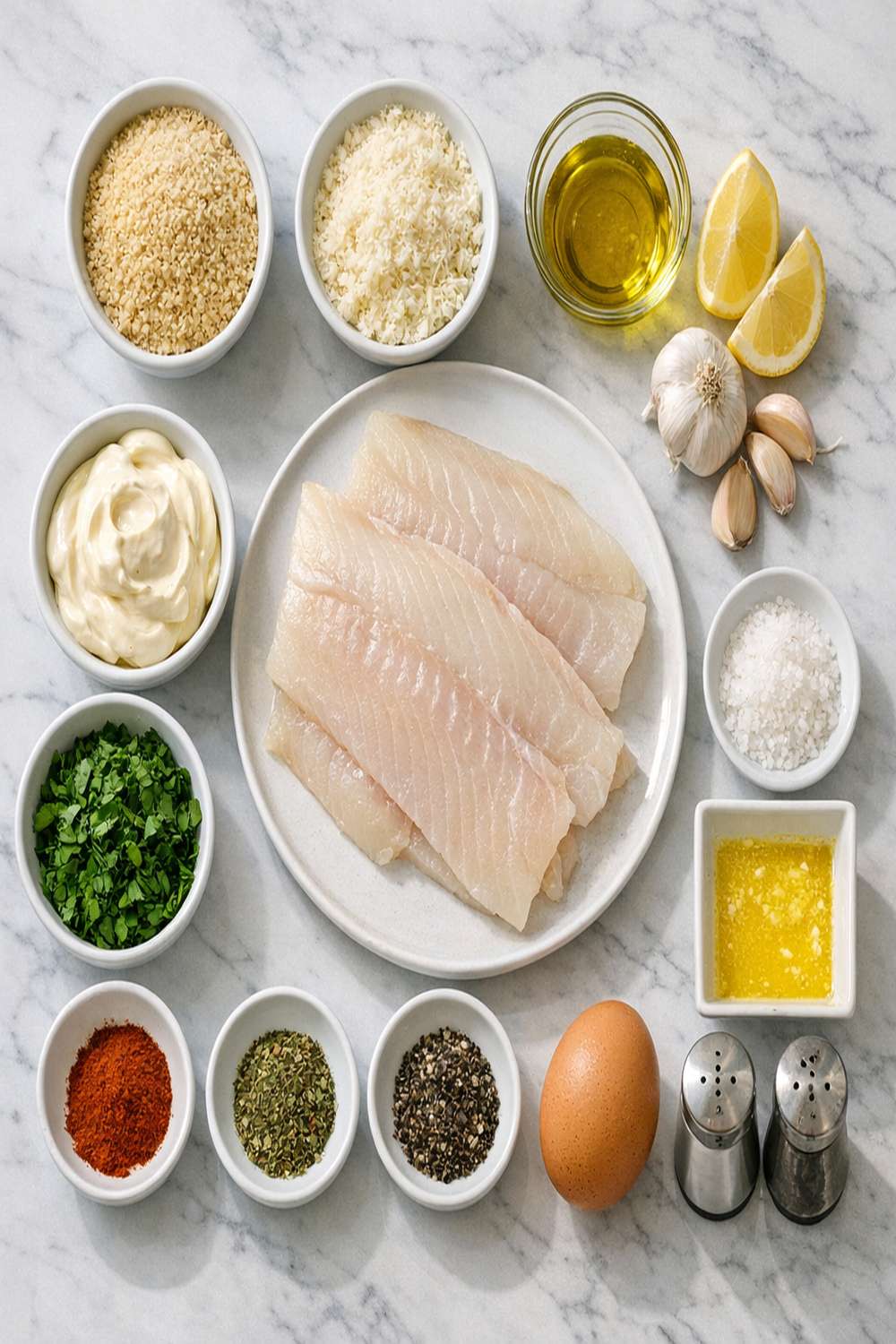
This recipe serves 4 people and comes together with pantry staples and fresh fish. I’ve organized these by function—coating elements, seasonings, and binders—to help you understand how each ingredient contributes to the final dish. Nothing here is fancy or hard to find, which is exactly how I like to cook.
- 1 tablespoon dried parsley (brightens the flavor profile)
- Salt and freshly ground black pepper (to taste, adjust based on preference)
- ½ teaspoon smoked paprika (subtle smokiness and warm color)
- 2 teaspoons dried dill (earthy and herbaceous, essential for fish)
- 4 haddock fillets (6 to 8 ounces each, patted completely dry)
- ½ teaspoon garlic powder (adds depth without overpowering)
- ½ cup grated Parmesan cheese (freshly grated if possible, not the shaker kind)
- 2 to 3 tablespoons mayonnaise (acts as an adhesive for the breadcrumb coating)
- ½ cup panko breadcrumbs (Japanese-style, they create a superior crunch)
- 1 tablespoon extra-virgin olive oil (drizzled for crispness)
- 2 fresh lemons (cut into wedges for serving and brightness)
How to Make Air Fry Haddock Recipe?
This process is straightforward, but I’m going to walk you through it step-by-step because technique matters, especially with delicate fish. Each step builds on the last, and understanding the why behind each action will make you a more confident cook.
Step 1: Preheat Your Air Fryer and Prepare the Fish
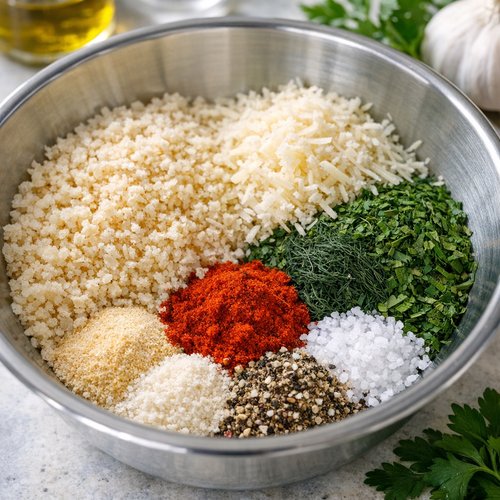
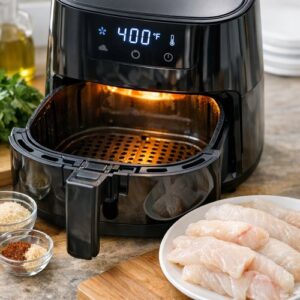
Start by setting your air fryer to 400°F and let it preheat for about 3-5 minutes. This is crucial—a properly preheated air fryer ensures even cooking and that desirable golden crust from the moment the fish touches the basket.
While the air fryer heats, pat your haddock fillets dry with paper towels. This is non-negotiable. Moisture is the enemy of crispiness. Take your time here—the drier your fish, the better the crust will adhere and brown. If your fillets are particularly thick (over 1 inch), lay them on a clean kitchen towel for a minute to let any excess moisture absorb.
Step 2: Build Your Seasoning Mixture
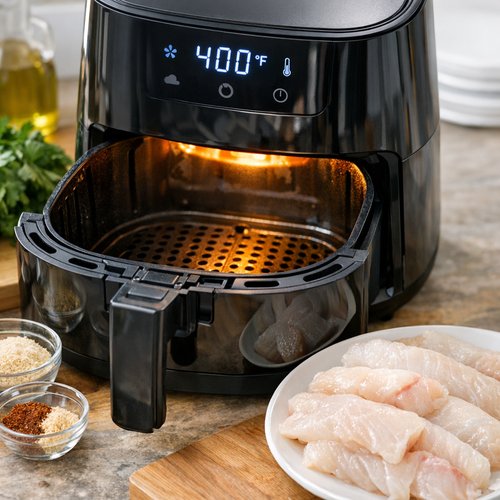
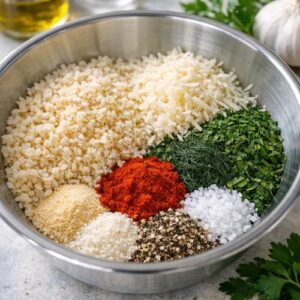
In a medium bowl, combine the panko breadcrumbs, grated Parmesan, dried dill, dried parsley, garlic powder, smoked paprika, salt, and freshly ground black pepper. Stir everything together with a fork or small whisk until the seasonings are evenly distributed throughout the breadcrumbs. You want no clumps of cheese, no concentrated pockets of herbs—uniformity is your goal here.
This is where you can customize. If you love lemon, add a teaspoon of lemon zest. If you prefer heat, add a pinch of cayenne pepper. The beauty of this mixture is its flexibility, but start with my proportions if you’re new to seasoning fish.
Step 3: Apply the Mayonnaise Base
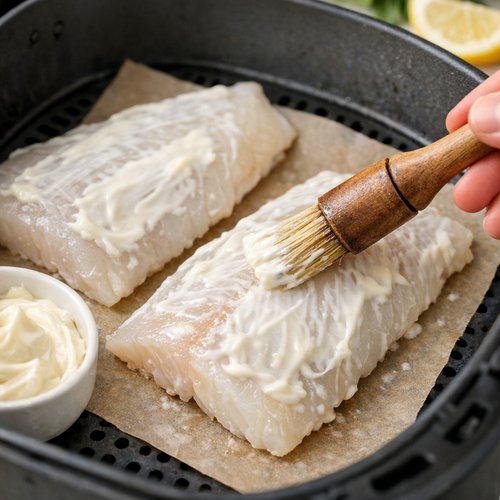
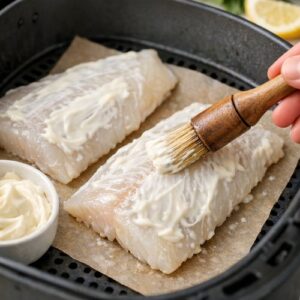
Lightly brush each haddock fillet on both sides with mayonnaise—about 1 to 1.5 teaspoons per side, depending on the fillet’s size. Mayonnaise might seem like an odd choice, but it serves a critical purpose: it acts as an adhesive that helps the breadcrumb mixture stick to the fish during cooking. It also contributes to browning through its oil and egg content.
Use a pastry brush or even your fingers (clean hands work beautifully here). Spread the mayonnaise in a thin, even layer. You’re not trying to coat it thickly—just enough to bind the crumbs. This step is where many home cooks stumble. Don’t skip it, and don’t overdo it.
Step 4: Coat with the Seasoned Breadcrumbs
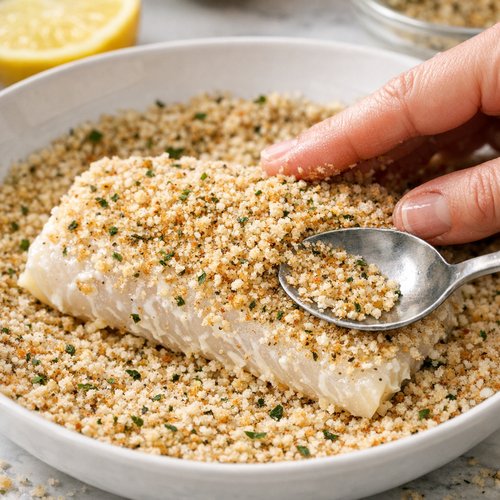
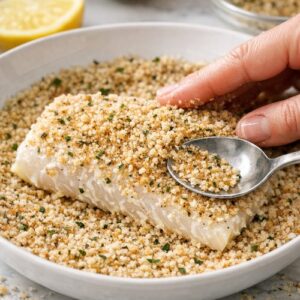
Now for the satisfying part: dip each mayonnaise-coated fillet into your seasoning mixture, pressing gently with your fingers or the back of a spoon to ensure the breadcrumbs adhere. You’re essentially pressing the mixture into the fish rather than just patting it on. Rotate the fillet as you work, making sure all sides—including the edges—are well-coated.
If you have any remaining breadcrumb mixture, sprinkle it directly onto the fillets. You want a visible, even coating that’s about the thickness of a pencil eraser. This is what will become your crispy, golden exterior.
Step 5: Add a Final Touch of Oil
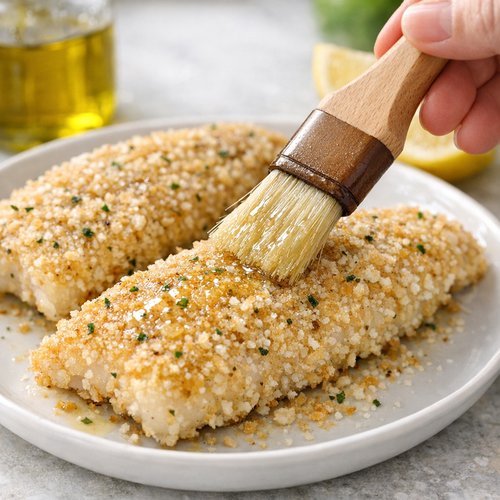
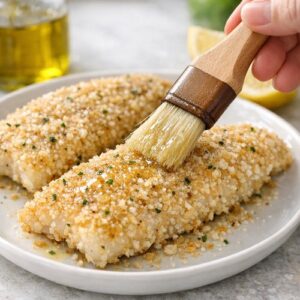
Place your coated fillets on a plate or small tray, and use a pastry brush or the back of a spoon to lightly drizzle or brush a tiny amount of extra-virgin olive oil over each one (about ¼ to ½ teaspoon per fillet). This oil is essential for achieving that deep golden-brown crust. It helps the breadcrumbs crisp and brown beautifully in the air fryer’s dry heat environment.
Don’t skip this step thinking you’ll save calories—the amount is minimal, and it transforms the texture of the crust. Trust me on this one.
Step 6: Air Fry Until Golden and Flaky
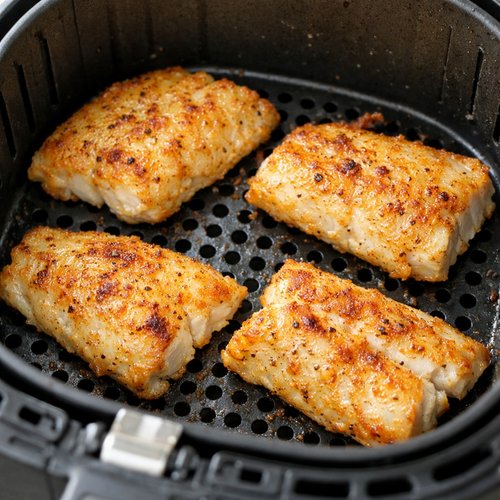
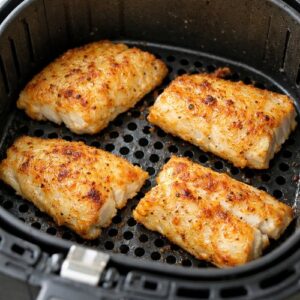
Carefully arrange the haddock fillets in your air fryer basket in a single layer. They should not touch or overlap—air circulation is what makes air frying work. If your fillets are large or your air fryer is small, you may need to cook them in two batches. Never crowd the basket, or you’ll end up with uneven cooking and soggy bottoms.
Cook at 400°F for 10 to 12 minutes, depending on the thickness of your fillets. At the 10-minute mark, carefully open the basket and check the fish. The coating should be golden brown, and the fish should flake easily when tested with a fork. If your fillets are particularly thin (under ½ inch), start checking at 8 minutes. If they’re thicker, they may need the full 12 minutes.
You’ll know it’s done when the flesh is opaque throughout, and a fork easily separates the delicate flakes. The exterior should have that satisfying crunch you’re after.
Step 7: Plate and Serve Immediately
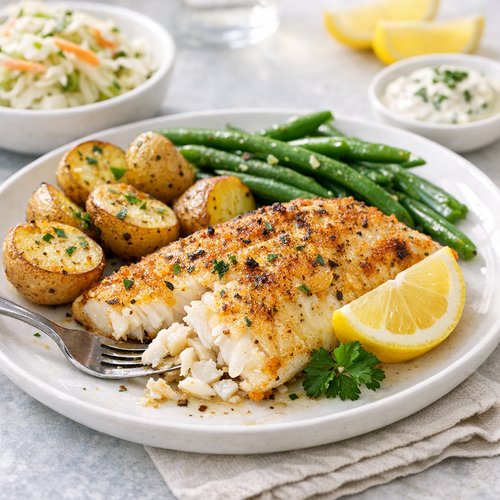
Transfer your air-fried haddock to serving plates immediately—don’t let it sit in the warm basket, or it will continue to cook and may dry out slightly. Serve hot alongside fresh lemon wedges so each person can add brightness to their fish. A squeeze of fresh lemon not only enhances the delicate flavor of the haddock but also aids in digestion and adds that coastal freshness I grew up with.
Expert’s Nutritional Tip
Haddock is a lean protein powerhouse—about 20 grams of protein per 3-ounce serving with minimal fat. What makes haddock particularly valuable is its selenium content, a mineral that supports thyroid function and acts as an antioxidant in your body. The panko coating adds fiber from the grains, and the Parmesan contributes calcium. This isn’t just delicious; it’s genuinely nourishing. Pair it with vegetables or a leafy green salad, and you have a meal that checks all the nutritional boxes.
Tips and Tricks From My Kitchen
- Invest in Fresh Fish – The quality of your haddock matters tremendously. Buy from a reputable fishmonger if possible, not the pre-packaged fish that’s been sitting under fluorescent lights. Fresh fish should smell ocean-like, not fishy. Ask the fishmonger when the fish arrived and plan to cook it the same day or the next morning.
- Don’t Skip the Paper Towel Step – Moisture is your enemy when pursuing crispiness. I cannot stress this enough. Pat your fillets dry, then let them sit uncovered on a plate in the refrigerator for 15-30 minutes before coating. This draws out additional surface moisture and sets you up for success.
- Use Real Panko, Not Seasoned – Regular panko gives you control over seasoning. Pre-seasoned versions often contain ingredients you can’t taste-test, and they can overpower delicate fish. Start with plain panko and build your own flavor profile.
- Adjust Oil Based on Your Air Fryer – Some air fryers run hotter than others. If you notice your coating browning too quickly, reduce the oil slightly. If it’s not browning enough, increase it. You’re looking for a balance between crispness and tenderness.
- Room Temperature Matters – Let your fish sit at room temperature for 5-10 minutes before air frying. Fish that goes straight from the refrigerator into heat cooks unevenly. The outside can overcook before the inside reaches the right temperature.
- Customize Your Herbs – Fresh herbs can replace dried, but use them sparingly. If substituting fresh dill for dried, use about three times as much (so ½ teaspoon dried becomes 1.5 teaspoons fresh). Chop them fine so they incorporate evenly into the breadcrumb mixture.
Make-Ahead Guide for Meal Prep Success
One of my favorite things about this recipe is how well it handles advance preparation. On Sunday, I often coat my fish and refrigerate it, ready to air fry on busy weeknights. Here’s how to set yourself up for success:
Prepare up to 24 hours ahead: After completing steps 1-5 (coating your fillets with the seasoned breadcrumb mixture and oil), arrange them on a parchment-lined tray and refrigerate uncovered for 30 minutes. Once the coating has set, cover the tray with plastic wrap and refrigerate for up to 24 hours. The coating actually adheres better after sitting in the cold, and you can air fry straight from the refrigerator—just add 1-2 minutes to the cooking time.
Keep components separate: If you prefer maximum flexibility, combine your dry breadcrumb mixture in an airtight container and pat your fish dry and store it in a separate container. They’ll keep separately for 3-4 days, allowing you to coat and cook whenever you’re ready.
Batch cooking: Air fry all your fillets at once if you’re cooking for a family, or fry them in batches for individual meals throughout the week. Cooked haddock keeps for 3-4 days in an airtight container in the refrigerator. Reheat gently in a 300°F oven for 5-7 minutes to restore crispness.
Common Mistakes to Avoid
- Wet Fish Equals Soggy Crust – The number one reason for disappointing results is moisture. Even slightly damp fish will steam rather than fry, leaving you with a soggy coating. Pat your fillets dry multiple times if needed. Some cooks even freeze them briefly before drying—this draws out additional moisture.
- Overcrowding the Air Fryer Basket – I see this constantly. Home cooks try to fit everything at once and end up with uneven cooking. Air circulation is non-negotiable. Leave space around each fillet, even if it means cooking in batches. Your results will be exponentially better.
- Using Dusty or Stale Panko – If your panko has been in your pantry for over a year, it’s time to replace it. Old breadcrumbs don’t crisp up the same way. Panko is inexpensive—keep it fresh.
- Skipping the Oil Drizzle – I understand the impulse to skip this step thinking you’re saving calories, but 1 teaspoon of olive oil across 4 fillets is only 40 calories. That amount is what transforms your coating from pale to golden and crispy. Don’t compromise on this.
Seasonal Variations
Spring: Add fresh dill and lemon zest to the breadcrumb mixture. Serve alongside early asparagus or fresh spring peas. The brightness of spring is captured in every bite.
Summer: Incorporate smoked paprika more heavily for warmth, and serve with gazpacho or a vibrant cucumber salad. Summer seafood cries for refreshing sides.
Fall: Add a pinch of Old Bay seasoning and cayenne pepper for subtle heat. Serve with roasted root vegetables or creamed cauliflower for earthier autumn flavors.
Winter: Keep it classic with the herb-forward approach, and pair with rich sides like creamy mashed potatoes or a warming chowder. Winter is when comfort meets healthfulness on the plate.
Can I Store Air Fry Haddock Recipe?
Refrigerator: Cooked haddock keeps for 3 to 4 days when stored in an airtight container. The coating will soften slightly as it sits, but it’s still delicious. Reheat gently in a 300°F oven for 5-7 minutes to restore some crispness, or enjoy it cold in a salad or sandwich.
Freezer: You can freeze uncooked, coated fillets for up to 3 months. Arrange them on a parchment-lined tray, freeze until solid (about 2 hours), then transfer to a freezer bag. When you’re ready to cook, air fry directly from frozen, adding 2-3 minutes to the cooking time. Don’t thaw first—this helps prevent the fish from drying out.
Cooked fish and freezer: Cooked haddock can be frozen for up to 2 months, though it’s best enjoyed fresh. Thaw in the refrigerator overnight before reheating.
Nutrition Information
Per serving (1 fillet, based on USDA nutritional data): Calories: 220 | Protein: 24g | Fat: 9g | Carbohydrates: 10g | Fiber: 0.5g | Sodium: 480mg
This is lean, protein-rich cooking at its finest. The panko coating adds minimal carbohydrates while delivering satisfying texture, and the Parmesan provides calcium and umami depth. This meal supports muscle maintenance, satiety, and sustained energy without excess calories or heaviness.
What Can I Serve With Air Fry Haddock Recipe?
The beauty of haddock is its versatility. It pairs with bright, fresh sides or rich, comforting accompaniments. Here are my go-to pairings that transform this simple fish into a complete meal. I often combine one starch and one vegetable for balance, just like I learned early in my culinary training.
- Fresh Pineapple Salsa – The tropical sweetness and brightness perfectly complement the mild, flaky fish. This pairing feels beachy and celebratory.
- Foiled Baked Potatoes – A classic, nourishing side that soaks up any lemon or butter you add to the fish. Comfort and elegance in one plate.
- Steamed or Roasted Broccoli – Simple vegetables let the fish shine. Toss with garlic, olive oil, and a squeeze of lemon.
- Crispy Green Salad with Lemon Vinaigrette – The acidity cuts through the richness of the coating and keeps the meal feeling light.
- French Fried Parsnips – For something more indulgent, these roasted root vegetables add sweetness and substance.
- Coleslaw with a Creamy Dressing – The crunch and tang balance the delicate fish perfectly, and it’s a nod to classic seafood restaurant sides.
- Roasted Zucchini and Cherry Tomatoes – Mediterranean flavors that keep the plate light and colorful.
- Lemon Rice or Herbed Orzo – Absorbs pan juices and adds substance without heaviness.
Substitutes
- Other White Fish (Cod, Pollock, Tilapia) – These have similar texture and cooking times. Cod is slightly firmer; tilapia is more delicate. Adjust cooking time by 1-2 minutes based on thickness.
- Panko for Regular Breadcrumbs – Regular breadcrumbs will work but won’t crisp as dramatically. Use the same amount. You can also use crushed crackers or even ground almonds for a gluten-free option (though texture differs).
- Parmesan for Other Hard Cheeses – Aged cheddar or Pecorino Romano work beautifully. Use the same amount. Avoid soft cheeses like mozzarella—they melt and won’t crisp properly.
- Mayonnaise for Olive Oil – Use a light brushing of olive oil instead of mayonnaise. You’ll lose some browning power but gain a lighter texture. Works best if you increase your oil drizzle to compensate.
- Dried Herbs for Fresh – If using fresh dill and parsley, use three times the amount (so 6 teaspoons of fresh dill instead of 2 teaspoons dried). Chop finely and add at the very end so they don’t burn.
- Air Fryer for Conventional Oven – Bake at 425°F on a parchment-lined sheet for 12-15 minutes. The coating won’t be quite as crispy, but results are still excellent. Use the same oil drizzle.
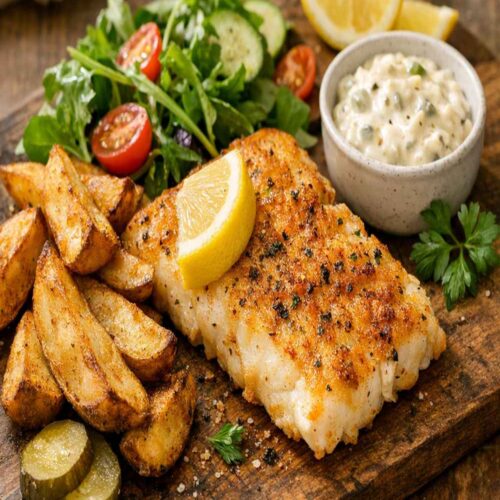
Air Fry Haddock Recipe

Ingredients
- 1 tablespoon dried parsley brightens the flavor profile
- Salt and freshly ground black pepper to taste, adjust based on preference
- ½ teaspoon smoked paprika subtle smokiness and warm color
- 2 teaspoon dried dill earthy and herbaceous, essential for fish
- 4 haddock fillets 6 to 8 ounces each, patted completely dry
- ½ teaspoon garlic powder adds depth without overpowering
- ½ cup grated Parmesan cheese freshly grated if possible, not the shaker kind
- 2 to 3 tablespoons mayonnaise acts as an adhesive for the breadcrumb coating
- ½ cup panko breadcrumbs Japanese-style, they create a superior crunch
- 1 tablespoon extra-virgin olive oil drizzled for crispness
- 2 fresh lemons cut into wedges for serving and brightness
Instructions
Step 1: Preheat Your Air Fryer and Prepare the Fish
- Start by setting your air fryer to 400°F and let it preheat for about 3-5 minutes. This is crucial—a properly preheated air fryer ensures even cooking and that desirable golden crust from the moment the fish touches the basket. While the air fryer heats, pat your haddock fillets dry with paper towels. This is non-negotiable. Moisture is the enemy of crispiness. Take your time here—the drier your fish, the better the crust will adhere and brown. If your fillets are particularly thick (over 1 inch), lay them on a clean kitchen towel for a minute to let any excess moisture absorb.
Step 2: Build Your Seasoning Mixture
- In a medium bowl, combine the panko breadcrumbs, grated Parmesan, dried dill, dried parsley, garlic powder, smoked paprika, salt, and freshly ground black pepper. Stir everything together with a fork or small whisk until the seasonings are evenly distributed throughout the breadcrumbs. You want no clumps of cheese, no concentrated pockets of herbs—uniformity is your goal here. This is where you can customize. If you love lemon, add a teaspoon of lemon zest. If you prefer heat, add a pinch of cayenne pepper. The beauty of this mixture is its flexibility, but start with my proportions if you're new to seasoning fish.
Step 3: Apply the Mayonnaise Base
- Lightly brush each haddock fillet on both sides with mayonnaise—about 1 to 1.5 teaspoons per side, depending on the fillet's size. Mayonnaise might seem like an odd choice, but it serves a critical purpose: it acts as an adhesive that helps the breadcrumb mixture stick to the fish during cooking. It also contributes to browning through its oil and egg content. Use a pastry brush or even your fingers (clean hands work beautifully here). Spread the mayonnaise in a thin, even layer. You're not trying to coat it thickly—just enough to bind the crumbs. This step is where many home cooks stumble. Don't skip it, and don't overdo it.
Step 4: Coat with the Seasoned Breadcrumbs
- Now for the satisfying part: dip each mayonnaise-coated fillet into your seasoning mixture, pressing gently with your fingers or the back of a spoon to ensure the breadcrumbs adhere. You're essentially pressing the mixture into the fish rather than just patting it on. Rotate the fillet as you work, making sure all sides—including the edges—are well-coated. If you have any remaining breadcrumb mixture, sprinkle it directly onto the fillets. You want a visible, even coating that's about the thickness of a pencil eraser. This is what will become your crispy, golden exterior.
Step 5: Add a Final Touch of Oil
- Place your coated fillets on a plate or small tray, and use a pastry brush or the back of a spoon to lightly drizzle or brush a tiny amount of extra-virgin olive oil over each one (about ¼ to ½ teaspoon per fillet). This oil is essential for achieving that deep golden-brown crust. It helps the breadcrumbs crisp and brown beautifully in the air fryer's dry heat environment. Don't skip this step thinking you'll save calories—the amount is minimal, and it transforms the texture of the crust. Trust me on this one.
Step 6: Air Fry Until Golden and Flaky
- Carefully arrange the haddock fillets in your air fryer basket in a single layer. They should not touch or overlap—air circulation is what makes air frying work. If your fillets are large or your air fryer is small, you may need to cook them in two batches. Never crowd the basket, or you'll end up with uneven cooking and soggy bottoms. Cook at 400°F for 10 to 12 minutes, depending on the thickness of your fillets. At the 10-minute mark, carefully open the basket and check the fish. The coating should be golden brown, and the fish should flake easily when tested with a fork. If your fillets are particularly thin (under ½ inch), start checking at 8 minutes. If they're thicker, they may need the full 12 minutes. You'll know it's done when the flesh is opaque throughout, and a fork easily separates the delicate flakes. The exterior should have that satisfying crunch you're after.
Step 7: Plate and Serve Immediately
- Transfer your air-fried haddock to serving plates immediately—don't let it sit in the warm basket, or it will continue to cook and may dry out slightly. Serve hot alongside fresh lemon wedges so each person can add brightness to their fish. A squeeze of fresh lemon not only enhances the delicate flavor of the haddock but also aids in digestion and adds that coastal freshness I grew up with.
Notes
Nutrition
FAQs
Can I use frozen haddock instead of fresh?
Absolutely. Thaw your frozen fillets in the refrigerator overnight, then pat them very dry before coating. Frozen haddock is often caught and frozen at peak freshness, so it’s genuinely good quality. The only drawback is that freezing breaks down some cell walls, causing fillets to release slightly more moisture—which is why the pat-dry step becomes even more critical. Follow all the same steps, and you’ll get excellent results.
Why is my coating not crispy?
This usually comes down to one of three issues: moisture (we’ve covered this extensively), insufficient oil drizzle, or an overcrowded air fryer basket. Start with a very dry fillet, ensure you’re drizzling that oil, and cook no more than two fillets at a time. Also, check your air fryer temperature with a separate thermometer—some air fryers run cooler than their display suggests, which slows browning.
Can I cook this recipe in a toaster oven or regular oven?
Yes, absolutely. Preheat your oven to 425°F and arrange your coated fillets on a parchment-lined baking sheet. Bake for 12-15 minutes until the coating is golden and the fish flakes easily. The coating won’t achieve quite the same level of crispness as an air fryer—air fryers excel because of their circulating heat and proximity to the food—but your results will still be delicious. Increase the oil drizzle slightly to compensate.
How do I know when the haddock is cooked through?
Haddock cooks quickly. Visually, you’re looking for opaque flesh rather than translucent. The texture should be tender and flaky—gently press a fork against the thickest part, and it should separate into soft flakes with minimal resistance. Overcooked fish becomes dry and rubbery, so it’s better to err on the side of slightly under-cooking and adding 30 seconds if needed. Most fillets in the 6-8 ounce range are perfectly done at 10-12 minutes, depending on thickness.
Is this recipe naturally gluten-free?
The recipe as written contains gluten in the panko breadcrumbs. To make it gluten-free, substitute regular panko with gluten-free panko (available at most grocery stores now) or use crushed gluten-free crackers or ground almonds for a different but delicious texture. Verify that your other ingredients—especially the spices—are certified gluten-free if you have celiac disease or severe sensitivity. Everything else in this recipe is naturally gluten-free.
Can I meal prep these fillets for the whole week?
Absolutely. This is where this recipe shines for busy people. Coat all your fillets on Sunday following steps 1-5, arrange them on a parchment-lined tray, and refrigerate uncovered for 30 minutes. Once the coating sets, cover with plastic wrap and refrigerate for up to 24 hours. Air fry fresh each day or every other day—they cook in 10 minutes, so it’s faster than most deliveries. Alternatively, cook them all at once and refrigerate. They keep for 3-4 days and reheat in a 300°F oven for 5-7 minutes to restore crispness.
More Recipes You’ll Love
- French Fried Mashed Potatoes – Crispy outside, creamy inside, these are the ultimate comfort side dish that pairs beautifully with delicate fish.
- Floured Fries – If you’re already air frying, these golden-brown fries are the perfect complement to haddock.
- Food Faith Fitness – Explore how to balance indulgence and nutrition in your home cooking—foundational for a sustainable approach to meals like this.
Final Thoughts: Bringing Fish Back to Your Table
This recipe represents everything I love about home cooking. It’s fast enough for a Tuesday night, elegant enough for company, healthy enough to feel genuinely nourishing, and simple enough that even inexperienced cooks get restaurant-quality results on their first try. My grandmother would be proud that her Friday-night tradition lives on in my kitchen—just with a bit of modern technology and a whole lot of the same love.
Haddock deserves to be part of your regular rotation. Don’t relegate it to special occasions or restaurant visits. With an air fryer and this recipe, you can have perfectly cooked, wonderfully crispy fish on your table in less time than it takes to order takeout. Your taste buds will thank you, your body will thank you, and your wallet will definitely thank you.
The next time you walk past the seafood counter, grab some fresh haddock and bring coastal cooking home. I promise it’s easier than you think, and the memory you create around the table might just be as lasting as mine.
Happy Cooking!