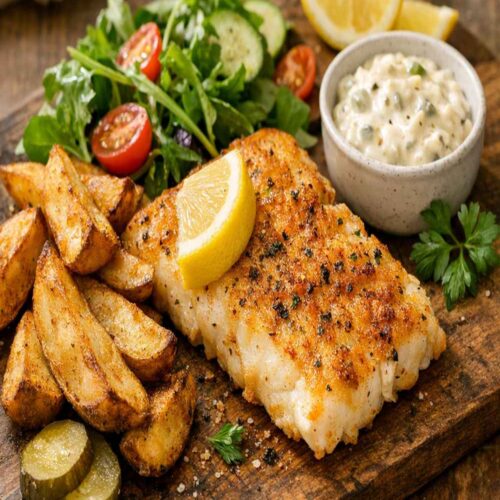
Air Fry Haddock Recipe

There's something magical about perfectly crispy fish that flakes apart at the gentlest fork pressure. When I discovered how to make restaurant-quality haddock at home using my air fryer, I realized I'd been overcomplicating seafood for years. This recipe gives you that golden, crunchy coating with tender, moist fish inside—and it's ready in under 15 minutes. Pair it with bright sides like fresh pineapple salsa or classic baked potatoes for a complete meal that tastes like you spent hours in the kitchen.
Ingredients
- 1 tablespoon dried parsley brightens the flavor profile
- Salt and freshly ground black pepper to taste, adjust based on preference
- ½ teaspoon smoked paprika subtle smokiness and warm color
- 2 teaspoon dried dill earthy and herbaceous, essential for fish
- 4 haddock fillets 6 to 8 ounces each, patted completely dry
- ½ teaspoon garlic powder adds depth without overpowering
- ½ cup grated Parmesan cheese freshly grated if possible, not the shaker kind
- 2 to 3 tablespoons mayonnaise acts as an adhesive for the breadcrumb coating
- ½ cup panko breadcrumbs Japanese-style, they create a superior crunch
- 1 tablespoon extra-virgin olive oil drizzled for crispness
- 2 fresh lemons cut into wedges for serving and brightness
Instructions
Step 1: Preheat Your Air Fryer and Prepare the Fish
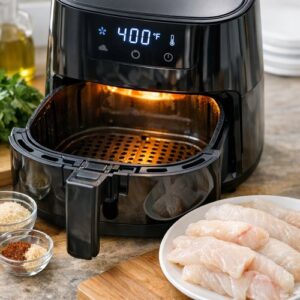
- Start by setting your air fryer to 400°F and let it preheat for about 3-5 minutes. This is crucial—a properly preheated air fryer ensures even cooking and that desirable golden crust from the moment the fish touches the basket. While the air fryer heats, pat your haddock fillets dry with paper towels. This is non-negotiable. Moisture is the enemy of crispiness. Take your time here—the drier your fish, the better the crust will adhere and brown. If your fillets are particularly thick (over 1 inch), lay them on a clean kitchen towel for a minute to let any excess moisture absorb.
Step 2: Build Your Seasoning Mixture
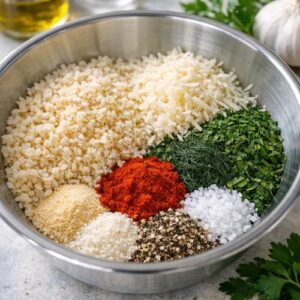
- In a medium bowl, combine the panko breadcrumbs, grated Parmesan, dried dill, dried parsley, garlic powder, smoked paprika, salt, and freshly ground black pepper. Stir everything together with a fork or small whisk until the seasonings are evenly distributed throughout the breadcrumbs. You want no clumps of cheese, no concentrated pockets of herbs—uniformity is your goal here. This is where you can customize. If you love lemon, add a teaspoon of lemon zest. If you prefer heat, add a pinch of cayenne pepper. The beauty of this mixture is its flexibility, but start with my proportions if you're new to seasoning fish.
Step 3: Apply the Mayonnaise Base
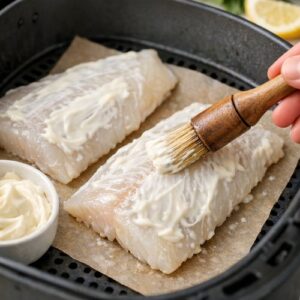
- Lightly brush each haddock fillet on both sides with mayonnaise—about 1 to 1.5 teaspoons per side, depending on the fillet's size. Mayonnaise might seem like an odd choice, but it serves a critical purpose: it acts as an adhesive that helps the breadcrumb mixture stick to the fish during cooking. It also contributes to browning through its oil and egg content. Use a pastry brush or even your fingers (clean hands work beautifully here). Spread the mayonnaise in a thin, even layer. You're not trying to coat it thickly—just enough to bind the crumbs. This step is where many home cooks stumble. Don't skip it, and don't overdo it.
Step 4: Coat with the Seasoned Breadcrumbs
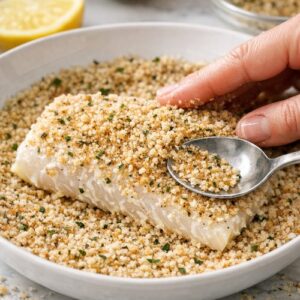
- Now for the satisfying part: dip each mayonnaise-coated fillet into your seasoning mixture, pressing gently with your fingers or the back of a spoon to ensure the breadcrumbs adhere. You're essentially pressing the mixture into the fish rather than just patting it on. Rotate the fillet as you work, making sure all sides—including the edges—are well-coated. If you have any remaining breadcrumb mixture, sprinkle it directly onto the fillets. You want a visible, even coating that's about the thickness of a pencil eraser. This is what will become your crispy, golden exterior.
Step 5: Add a Final Touch of Oil
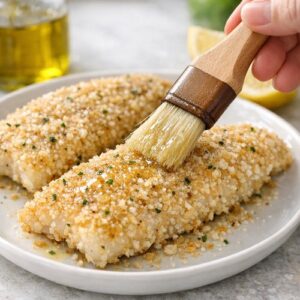
- Place your coated fillets on a plate or small tray, and use a pastry brush or the back of a spoon to lightly drizzle or brush a tiny amount of extra-virgin olive oil over each one (about ¼ to ½ teaspoon per fillet). This oil is essential for achieving that deep golden-brown crust. It helps the breadcrumbs crisp and brown beautifully in the air fryer's dry heat environment. Don't skip this step thinking you'll save calories—the amount is minimal, and it transforms the texture of the crust. Trust me on this one.
Step 6: Air Fry Until Golden and Flaky
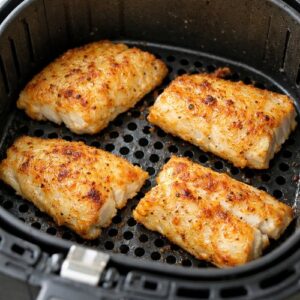
- Carefully arrange the haddock fillets in your air fryer basket in a single layer. They should not touch or overlap—air circulation is what makes air frying work. If your fillets are large or your air fryer is small, you may need to cook them in two batches. Never crowd the basket, or you'll end up with uneven cooking and soggy bottoms. Cook at 400°F for 10 to 12 minutes, depending on the thickness of your fillets. At the 10-minute mark, carefully open the basket and check the fish. The coating should be golden brown, and the fish should flake easily when tested with a fork. If your fillets are particularly thin (under ½ inch), start checking at 8 minutes. If they're thicker, they may need the full 12 minutes. You'll know it's done when the flesh is opaque throughout, and a fork easily separates the delicate flakes. The exterior should have that satisfying crunch you're after.
Step 7: Plate and Serve Immediately
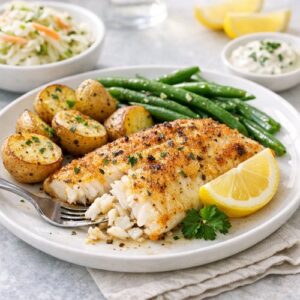
- Transfer your air-fried haddock to serving plates immediately—don't let it sit in the warm basket, or it will continue to cook and may dry out slightly. Serve hot alongside fresh lemon wedges so each person can add brightness to their fish. A squeeze of fresh lemon not only enhances the delicate flavor of the haddock but also aids in digestion and adds that coastal freshness I grew up with.
Notes
- Invest in Fresh Fish - The quality of your haddock matters tremendously. Buy from a reputable fishmonger if possible, not the pre-packaged fish that's been sitting under fluorescent lights. Fresh fish should smell ocean-like, not fishy. Ask the fishmonger when the fish arrived and plan to cook it the same day or the next morning.
- Don't Skip the Paper Towel Step - Moisture is your enemy when pursuing crispiness. I cannot stress this enough. Pat your fillets dry, then let them sit uncovered on a plate in the refrigerator for 15-30 minutes before coating. This draws out additional surface moisture and sets you up for success.
- Use Real Panko, Not Seasoned - Regular panko gives you control over seasoning. Pre-seasoned versions often contain ingredients you can't taste-test, and they can overpower delicate fish. Start with plain panko and build your own flavor profile.
- Adjust Oil Based on Your Air Fryer - Some air fryers run hotter than others. If you notice your coating browning too quickly, reduce the oil slightly. If it's not browning enough, increase it. You're looking for a balance between crispness and tenderness.
- Room Temperature Matters - Let your fish sit at room temperature for 5-10 minutes before air frying. Fish that goes straight from the refrigerator into heat cooks unevenly. The outside can overcook before the inside reaches the right temperature.
- Customize Your Herbs - Fresh herbs can replace dried, but use them sparingly. If substituting fresh dill for dried, use about three times as much (so ½ teaspoon dried becomes 1.5 teaspoons fresh). Chop them fine so they incorporate evenly into the breadcrumb mixture.
Nutrition
Calories: 407kcalCarbohydrates: 8gProtein: 152gFat: 14gSaturated Fat: 4gCholesterol: 498mgSodium: 2216mgFiber: 1gSugar: 1g
Tried this recipe?Let us know how it was!