Air Fryer Flounder Recipe
Light, flaky flounder cooked to perfection in the air fryer pairs beautifully with bright, citrusy sides and vibrant salsas. Whether you’re serving it alongside Fresh Pineapple Salsa or the bold kick of Roasted Habanero Mango Salsa, this recipe showcases why delicate white fish deserves a place at your weeknight table. I’ve cooked flounder dozens of ways over the years, but the air fryer method I’m sharing today has become my go-to for busy nights when I still want restaurant-quality results.
The Story Behind This Air Fryer Flounder Recipe
I grew up watching my grandmother prepare whole flounder on Friday nights—her kitchen would fill with the aroma of lemon and garlic, and she’d always let me peek while she worked. She taught me that delicate fish doesn’t need complicated technique; it needs respect. When I got my first air fryer years later, I was skeptical about cooking fish in it. How could hot circulating air recreate that gentle, steamed-in-its-own-juices texture I’d learned to love?
The answer surprised me. By laying thin lemon slices beneath the fillets, I discovered I could trap moisture while the air fryer’s heat cooked the outside to a subtle golden finish. That first batch brought back every memory of my grandmother’s kitchen—but with a fraction of the cleanup. Now, whenever I need dinner on the table in under 20 minutes without sacrificing flavor, this is my recipe.
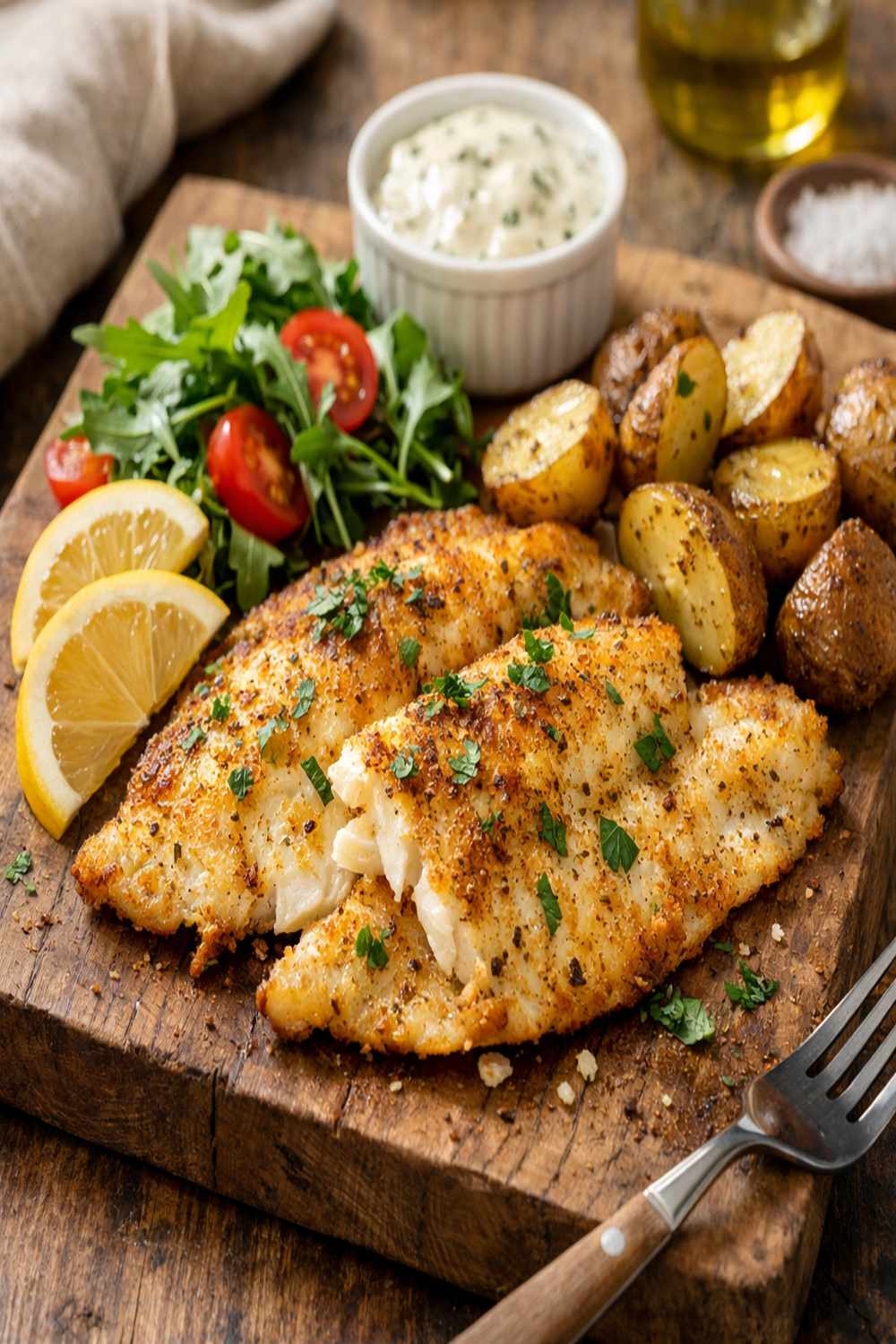
What is Air Fryer Flounder Recipe?
This recipe is a modern take on classic pan-seared flounder, adapted for the air fryer’s unique cooking environment. Flounder is a lean, white-fleshed flatfish with a subtle, delicate flavor—it’s popular in coastal cuisines from the Mediterranean to the American Southeast. The beauty of this cooking method is that it creates a light, slightly crispy exterior while keeping the interior incredibly moist and tender.
The traditional way to cook flounder involves a hot skillet with butter or oil, which requires careful timing to avoid overcooking such a thin, delicate fish. The air fryer eliminates that guesswork by using circulating heat at a controlled temperature. By placing lemon slices under the fillets, I’m creating a natural steaming bed that infuses the fish with citrus while preventing it from drying out. It’s a technique I adapted from French cooking methods—specifically en papillote (cooking in parchment), but simplified for modern convenience.
Why You’ll Love This Air Fryer Flounder Recipe
- Ready in 7 minutes flat – Once your air fryer is preheated, you’re genuinely done cooking in under 10 minutes from start to finish. No pan to babysit, no constant checking.
- Naturally healthy and lean – Flounder is one of the leanest proteins you can cook, packed with omega-3 fatty acids and B vitamins. This recipe uses minimal oil, making it a guilt-free choice for weeknight dinners.
- Minimal cleanup – I use a light oil spray on the basket and that’s it. No greasy stovetop, no fish-scented pan that needs aggressive scrubbing. Your kitchen stays fresh.
- Versatile enough for any occasion – Serve it for a quick weeknight dinner, impress guests at a dinner party, or meal-prep portions for the week ahead. The elegant presentation makes it feel special without requiring special effort.
- Customizable to your taste – The base seasoning is simple Mediterranean-inspired, but you can swap herbs, add capers for brininess, or use different citrus depending on what you have and what you’re craving.
- Beginner-friendly technique – Even if you’re nervous about cooking fish, the air fryer’s forgiving nature makes this nearly impossible to mess up. There’s a generous window before the fish overcooks.
The Ingredients
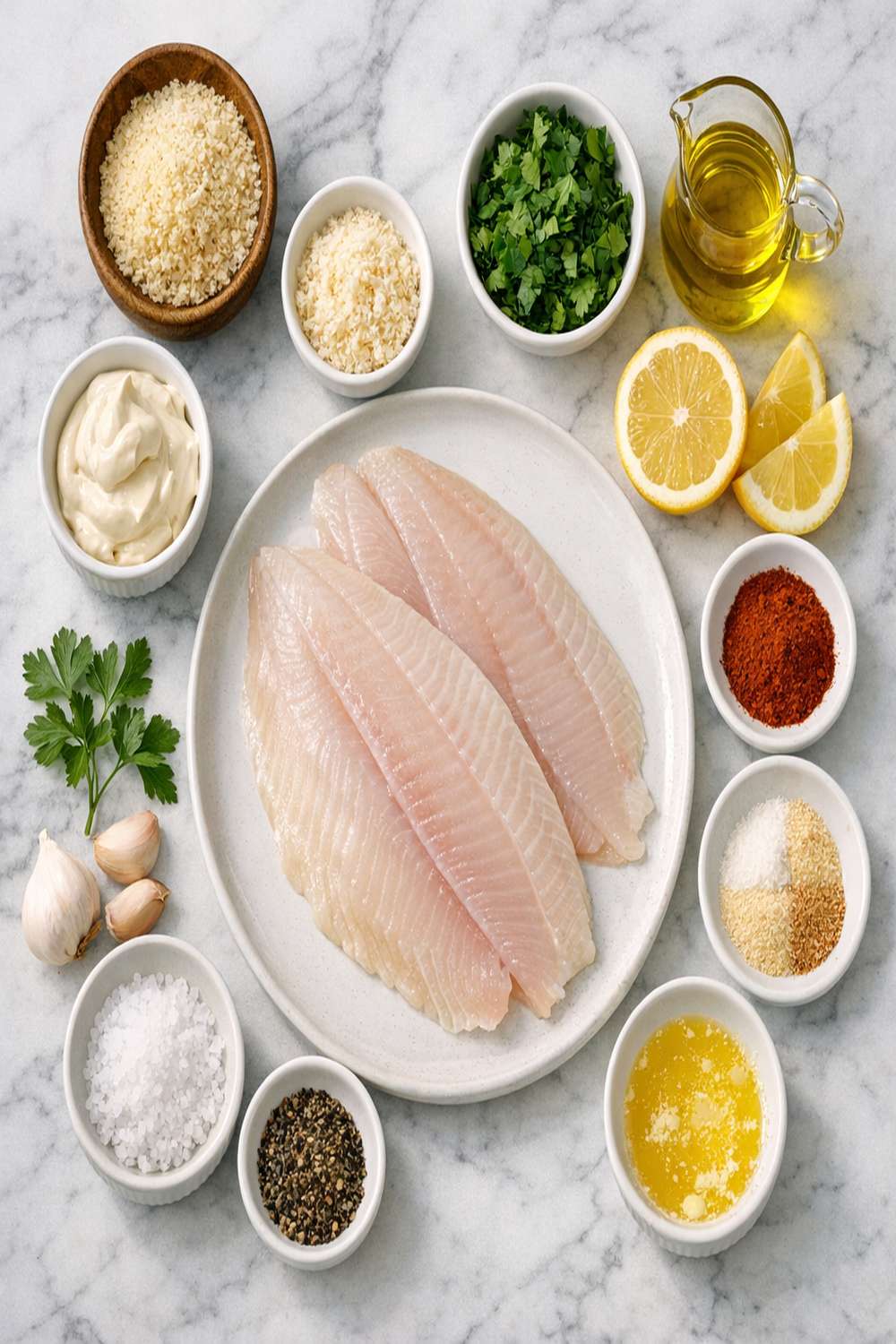
I’ve kept this ingredient list intentionally simple because flounder’s delicate flavor shouldn’t be masked. Each component serves a purpose—the lemon prevents sticking and adds brightness, the spices gently warm the palate without overwhelming the fish, and the optional capers and butter add richness. This recipe makes 2 servings and takes about 15 minutes total from prep to plate.
- 1 tablespoon capers packed in brine (optional, but adds a sophisticated salty note)
- 1 teaspoon unsalted butter (optional, for richness and browning)
- 2 flounder fillets (about 5-6 ounces each, patted completely dry)
- Oil spray for the air fryer basket (I use avocado oil or light olive oil spray)
- ¼ teaspoon garlic powder (freshly ground is ideal, but standard works fine)
- ¼ teaspoon salt (use only if you’re not adding capers, which contribute sufficient saltiness)
- ¼ teaspoon freshly ground black pepper (always freshly ground—pre-ground loses its bite)
- ¼ teaspoon dried oregano (or ½ teaspoon fresh if available)
- 1 lemon (sliced into thin rounds, about ¼-inch thick)
- ¼ teaspoon paprika (smoked paprika adds deeper flavor if you have it)
How to Make Air Fryer Flounder Recipe?
The technique here is straightforward, but I want you to understand the “why” behind each step so you can troubleshoot if needed and feel confident cooking delicate fish. Each step builds toward that perfect moment when you open the air fryer and see golden, flaky fish with just the right amount of moisture. Let’s walk through it together.
Step 1: Prepare Your Flounder Fillets
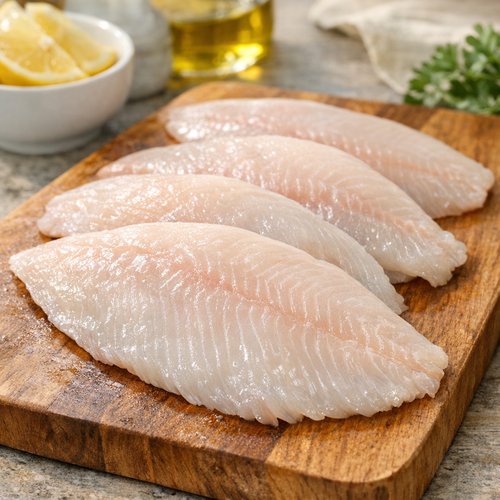
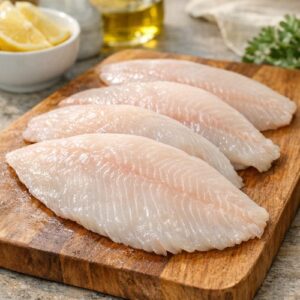
Start by removing your flounder fillets from the refrigerator about 5 minutes before cooking—this takes the chill off slightly, which helps them cook more evenly. Pat them completely dry with paper towels. This step is crucial. Any surface moisture will steam rather than allow the exterior to develop that subtle golden tone we’re after. I use firm pressure and make sure I’ve dried the underside too, which many home cooks miss.
If your fillets are particularly thin (which flounder often is), handle them gently. These are delicate proteins and rough handling can tear the flesh. Lay them on your prep surface and they should feel tender but intact.
Step 2: Season with Intention
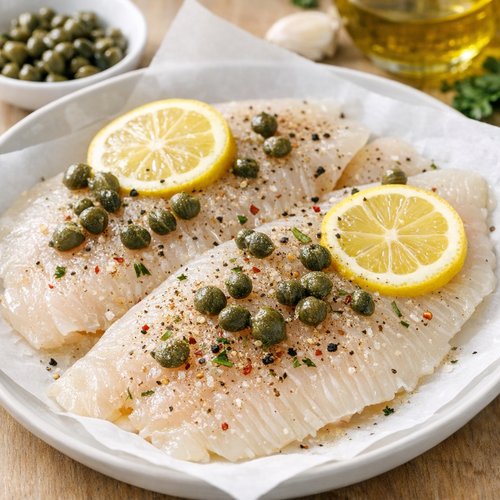
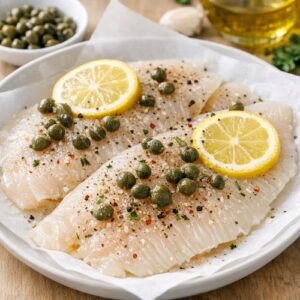
Here’s where the decision about capers matters: if you’re using them, skip the salt entirely. Capers are packed in brine and contribute significant saltiness—I learned this the hard way years ago when I over-salted a beautiful sea bream and couldn’t salvage the dish. If you’re not using capers, season both fillets with ¼ teaspoon salt divided between them (a pinch on each side).
Next, sprinkle the garlic powder, oregano, and paprika evenly across both fillets. I use my fingertips to gently distribute the seasoning, ensuring it contacts as much surface area as possible. The garlic powder brings savory depth without the harshness of fresh garlic, which can overwhelm delicate fish. The oregano is a nod to Mediterranean coastal cooking, where flounder has been prepared for centuries, and the paprika adds both color and a subtle sweet smokiness.
Finish with a couple pinches of freshly ground black pepper on each fillet. Black pepper is one of those ingredients where freshness genuinely matters—pre-ground pepper loses volatile oils over time and tastes dusty. Always crack yours fresh if possible.
Step 3: Prepare Your Air Fryer Basket
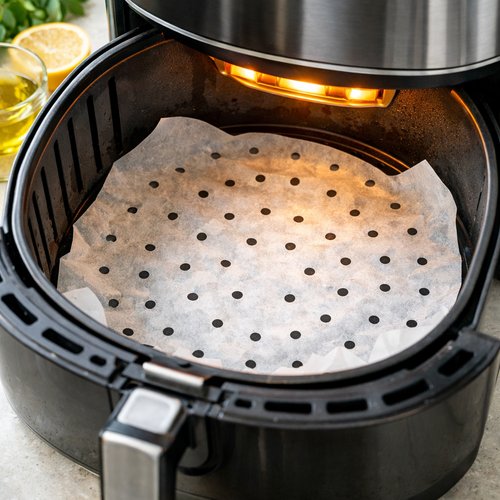
Preheat your air fryer to 375°F for about 3 minutes while you finish prep. This temperature is the sweet spot for flounder—hot enough to cook the fish through and create a subtle exterior, but not so hot that the thin fillets dry out before they cook through.
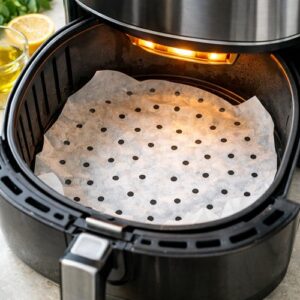
Once preheated, give your basket a light coating of oil spray. I use about 2-3 quick sprays, just enough to create a thin layer. The goal isn’t a pool of oil; it’s preventing the fish from sticking while keeping the recipe light. Avocado oil spray is my choice because it has a high smoke point and neutral flavor, but any cooking oil spray works.
Step 4: Create Your Lemon Bed
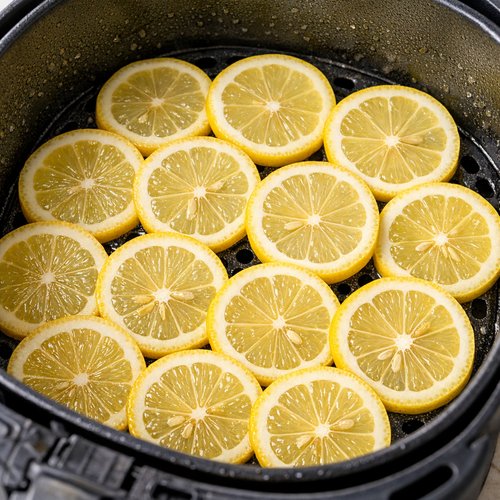
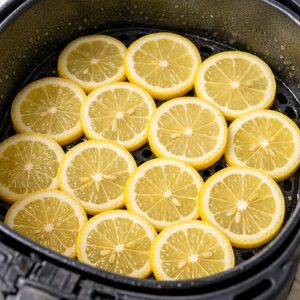
Now arrange your lemon slices in a single layer across the basket. You’ll want them fairly close together—they should cover most of the oiled surface. These lemon slices serve multiple purposes: they prevent the fish from sticking directly to the basket, they infuse the fillets with subtle citrus as they cook, and they create a steaming microclimate that keeps the delicate fish incredibly moist.
I typically use 4-6 thin lemon slices, depending on the size of my air fryer basket. If your slices are thick, they might not soften in time. Aim for slices about ¼-inch thick—thin enough that they’ll become tender, but thick enough that they don’t fall apart.
Step 5: Arrange the Flounder Fillets
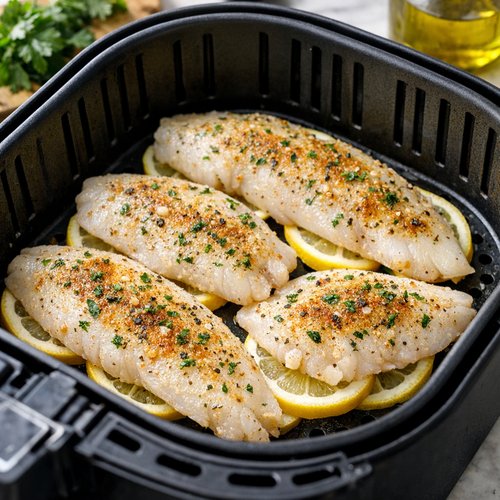
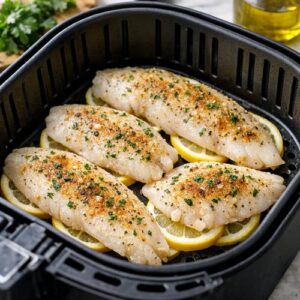
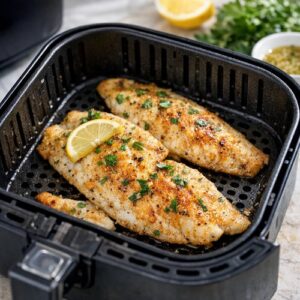
Carefully place your seasoned flounder fillets on top of the lemon slices. Position them so they’re in a single layer and not overlapping—air circulation is what makes air fryers work, and overcrowding prevents that circulation. If your fillets are very large, you might need to cut them in half, which is perfectly fine.
The fish should be nestled gently on the lemon bed. You’re not pressing it down; just laying it to rest on the citrus cushion.
Step 6: Add Optional Flavor Layers
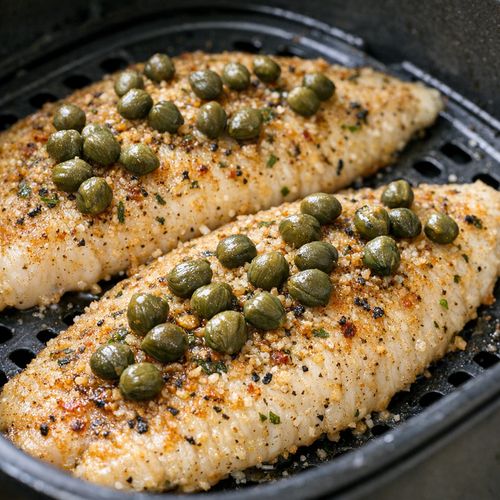
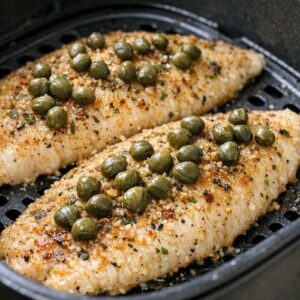
If you’re using capers, distribute them across the top of the fillets now—about ½ tablespoon per fillet. The capers will warm through and their brininess will distribute throughout the fish. If you’re using butter, dot a small amount (½ teaspoon per fillet) across the top. The butter will melt and create a light, golden finish while adding richness that plays beautifully against the lemon.
If you’re not using either, that’s absolutely fine. The fish will still be delicious—just skip this step and move forward.
Step 7: Cook With Precision
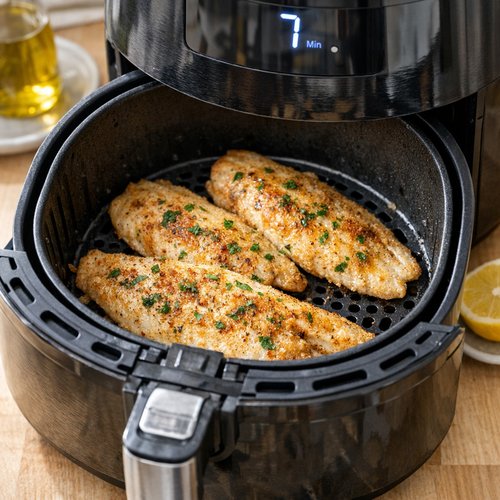
Place the basket in your preheated air fryer and set the timer for 7 minutes. This is the key timing for standard flounder fillets (about 5-6 ounces each). If your fillets are thicker than typical or you’re cooking for more people with a larger piece, you might need 8-9 minutes, but start with 7 and check.
Don’t open the air fryer during cooking. Trust the process. The circulating heat is working, and opening the basket drops the temperature and interferes with cooking.
Step 8: Check for Doneness
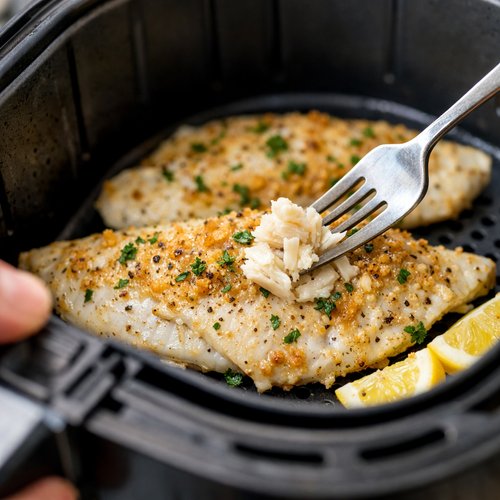
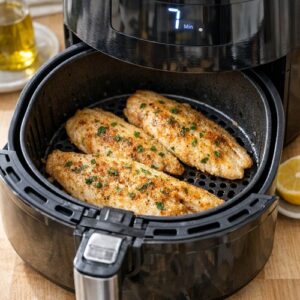
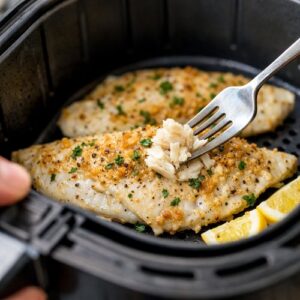
When the timer sounds, carefully open your air fryer. The flounder should be opaque throughout, with flesh that flakes easily when prodded with a fork. The edges might have a hint of golden color, and the lemon slices beneath should be soft and slightly caramelized. The internal temperature should read 145°F on an instant-read thermometer at the thickest part of the fillet—this is the USDA safe minimum for fish.
If it’s not quite done, give it 1-2 more minutes and check again. Fish cooks quickly, so these small increments matter.
Step 9: Rest and Serve
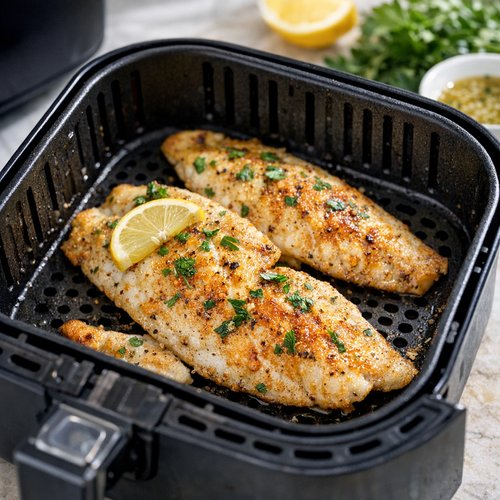
Remove the basket from the air fryer and let the flounder rest for 1-2 minutes. This brief rest allows the residual heat to finish cooking the center while the exterior sets. Carefully transfer the fillets to a serving plate, and if you’d like, arrange a lemon slice or two from the basket alongside the fish for presentation and extra flavor.
Serve immediately while everything is warm and the butter (if used) is still glossy.
Tips and Tricks
- Dry your fish thoroughly – Moisture is the enemy of any crispy exterior. Pat your fillets dry multiple times if needed. This single step makes the biggest difference in final texture.
- Don’t skip the preheat – A fully preheated air fryer cooks more evenly and consistently. This matters enormously with thin proteins like flounder.
- Use room-temperature lemon slices – Cold lemon slices cool the fish slightly during the first moments of cooking. Grab your lemon at the same time you remove the fish from the fridge.
- Invest in an instant-read thermometer – This removes all guesswork from cooking fish. When you’re confident about doneness, you’ll cook flounder much more successfully.
- Season boldly but thoughtfully – Delicate fish needs seasoning to shine, but it’s easy to overpower. The amounts in this recipe are calibrated specifically for flounder’s subtle flavor profile.
- Choose fresher fish when possible – Ask your fishmonger when the flounder arrived. Fish should smell briny and ocean-like, never “fishy.” This single factor affects your final result more than technique ever could.
- Try different citrus – Lime offers a sharper brightness, grapefruit brings bitterness that balances rich sauces, and orange adds sweetness. Experiment once you’re comfortable with the basic technique.
Can I Store Air Fryer Flounder Recipe?
Absolutely, though flounder is best eaten fresh. If you have leftovers, let them cool completely to room temperature, then transfer to an airtight container and refrigerate for up to 2 days. The fish will keep technically, but texture degrades—the exterior softens and the flesh becomes denser.
For reheating, I don’t recommend using the microwave, which will make the fish rubbery. Instead, reheat gently in a 300°F oven for 5-8 minutes, covered loosely with foil, until warmed through. The low temperature and short time preserve more texture than higher heat.
You can freeze cooked flounder for up to 3 months in a freezer-safe container, but again, quality declines. The fish will be safe to eat but less flaky and tender. Raw flounder, if you bought extra and want to cook it later, should be frozen immediately and used within 3-4 months for best quality.
The lemon slices are best enjoyed fresh and don’t store well, so I’d remove them before refrigerating any leftovers.
Nutrition Information
According to USDA data, a 5-ounce serving of cooked flounder contains approximately 120 calories, 25 grams of protein, 1 gram of fat, and 0 grams of carbohydrates. Flounder is one of the leanest proteins available, making it an excellent choice for anyone watching calories or managing macros.
The fish is also rich in B vitamins—particularly niacin and B12—which support energy metabolism and nervous system function. It’s a good source of selenium, a mineral involved in thyroid function and antioxidant defense. When you add the lemon slices and optional butter, you’re adding minimal calories but significant flavor and some additional fat-soluble vitamin absorption (the fat in butter helps your body absorb vitamins A, D, E, and K from the fish and any vegetables you serve alongside).
If you’re using capers, you’re adding about 20 calories but substantial sodium—roughly 400mg per tablespoon. That’s why seasoning with caution if you use them matters for sodium-conscious diets.
What Can I Serve With Air Fryer Flounder Recipe?
Flounder’s delicate nature pairs beautifully with light, bright accompaniments. The key is not overwhelming the subtle fish flavor—think fresh and acidic rather than heavy and rich. I often serve this with vibrant salsas like the Fresh Pineapple Salsa, which adds tropical sweetness and texture, or the more complex Roasted Habanero Mango Salsa for those who appreciate bold heat.
- Roasted vegetables – Asparagus, zucchini, or green beans tossed with a touch of olive oil and sea salt. Roast at 400°F while your flounder cooks (they’ll finish around the same time).
- Rice pilaf with herbs – Fluffy jasmine or basmati rice cooked in vegetable broth with fresh parsley, dill, or tarragon creates a Mediterranean-inspired base that complements the fish perfectly.
- Cauliflower rice – For a lighter option, cauliflower rice seasoned with lemon zest and fresh herbs brings freshness without heaviness.
- Arugula salad – Peppery greens dressed simply with lemon vinaigrette and topped with toasted pine nuts or almonds adds textural contrast and nutrition.
- Mashed or roasted potatoes – Foiled Baked Potatoes are easy to prepare alongside your air fryer, or make a light mash with olive oil and garlic instead of butter for richness without heaviness.
- Steamed broccoli – Toss with a squeeze of fresh lemon and it becomes the perfect companion—simple, elegant, and nutritious.
- Quinoa with feta and cucumber – A grain-based side that’s hearty enough to make this a complete meal but still light and summery.
Substitutes
- Other white fish – Sole, halibut, cod, or tilapia work beautifully with this same recipe. Adjust cooking time slightly based on thickness—thicker fillets may need 1-2 extra minutes.
- Lime instead of lemon – Fresh lime offers a sharper, more tropical brightness. Use the same quantity and technique.
- Fresh herbs instead of dried oregano – Use twice as much fresh herb (½ teaspoon basil, dill, or tarragon work wonderfully). Fresh herbs are more delicate and offer a lighter flavor than dried.
- Olives instead of capers – Chopped Kalamata olives provide saltiness and brininess similar to capers. Use the same quantity, though olives are larger so 4-5 pitted and halved olives per fillet works well.
- Anchovy paste for umami depth – If you enjoy umami, a tiny dab (¼ teaspoon) of anchovy paste adds incredible savory depth without making the fish taste fishy. Dilute it in your lemon juice first.
- Oil spray alternatives – Coconut oil spray, olive oil spray, or even ghee spray all work, though each brings slightly different flavor notes.
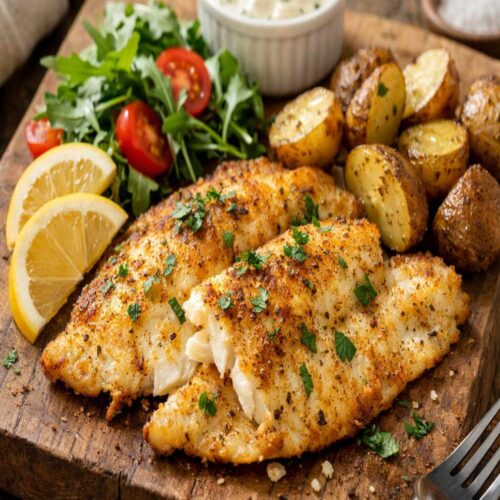
Air Fryer Flounder Recipe

Ingredients
- 1 tablespoon capers packed in brine optional, but adds a sophisticated salty note
- 1 teaspoon unsalted butter optional, for richness and browning
- 2 flounder fillets about 5-6 ounces each, patted completely dry
- Oil spray for the air fryer basket I use avocado oil or light olive oil spray
- ¼ teaspoon garlic powder freshly ground is ideal, but standard works fine
- ¼ teaspoon salt use only if you're not adding capers, which contribute sufficient saltiness
- ¼ teaspoon freshly ground black pepper (always freshly ground
- ¼ teaspoon dried oregano or ½ teaspoon fresh if available
- 1 lemon sliced into thin rounds, about ¼-inch thick
- ¼ teaspoon paprika smoked paprika adds deeper flavor if you have it
Instructions
Step 1: Prepare Your Flounder Fillets
- Start by removing your flounder fillets from the refrigerator about 5 minutes before cooking—this takes the chill off slightly, which helps them cook more evenly. Pat them completely dry with paper towels. This step is crucial. Any surface moisture will steam rather than allow the exterior to develop that subtle golden tone we're after. I use firm pressure and make sure I've dried the underside too, which many home cooks miss. If your fillets are particularly thin (which flounder often is), handle them gently. These are delicate proteins and rough handling can tear the flesh. Lay them on your prep surface and they should feel tender but intact.
Step 2: Season with Intention
- Here's where the decision about capers matters: if you're using them, skip the salt entirely. Capers are packed in brine and contribute significant saltiness—I learned this the hard way years ago when I over-salted a beautiful sea bream and couldn't salvage the dish. If you're not using capers, season both fillets with ¼ teaspoon salt divided between them (a pinch on each side). Next, sprinkle the garlic powder, oregano, and paprika evenly across both fillets. I use my fingertips to gently distribute the seasoning, ensuring it contacts as much surface area as possible. The garlic powder brings savory depth without the harshness of fresh garlic, which can overwhelm delicate fish. The oregano is a nod to Mediterranean coastal cooking, where flounder has been prepared for centuries, and the paprika adds both color and a subtle sweet smokiness. Finish with a couple pinches of freshly ground black pepper on each fillet. Black pepper is one of those ingredients where freshness genuinely matters—pre-ground pepper loses volatile oils over time and tastes dusty. Always crack yours fresh if possible.
Step 3: Prepare Your Air Fryer Basket
- Preheat your air fryer to 375°F for about 3 minutes while you finish prep. This temperature is the sweet spot for flounder—hot enough to cook the fish through and create a subtle exterior, but not so hot that the thin fillets dry out before they cook through. Once preheated, give your basket a light coating of oil spray. I use about 2-3 quick sprays, just enough to create a thin layer. The goal isn't a pool of oil; it's preventing the fish from sticking while keeping the recipe light. Avocado oil spray is my choice because it has a high smoke point and neutral flavor, but any cooking oil spray works.
Step 4: Create Your Lemon Bed
- Now arrange your lemon slices in a single layer across the basket. You'll want them fairly close together—they should cover most of the oiled surface. These lemon slices serve multiple purposes: they prevent the fish from sticking directly to the basket, they infuse the fillets with subtle citrus as they cook, and they create a steaming microclimate that keeps the delicate fish incredibly moist. I typically use 4-6 thin lemon slices, depending on the size of my air fryer basket. If your slices are thick, they might not soften in time. Aim for slices about ¼-inch thick—thin enough that they'll become tender, but thick enough that they don't fall apart.
Step 5: Arrange the Flounder Fillets
- Carefully place your seasoned flounder fillets on top of the lemon slices. Position them so they're in a single layer and not overlapping—air circulation is what makes air fryers work, and overcrowding prevents that circulation. If your fillets are very large, you might need to cut them in half, which is perfectly fine. The fish should be nestled gently on the lemon bed. You're not pressing it down; just laying it to rest on the citrus cushion.
Step 6: Add Optional Flavor Layers
- If you're using capers, distribute them across the top of the fillets now—about ½ tablespoon per fillet. The capers will warm through and their brininess will distribute throughout the fish. If you're using butter, dot a small amount (½ teaspoon per fillet) across the top. The butter will melt and create a light, golden finish while adding richness that plays beautifully against the lemon. If you're not using either, that's absolutely fine. The fish will still be delicious—just skip this step and move forward.
Step 7: Cook With Precision
- Place the basket in your preheated air fryer and set the timer for 7 minutes. This is the key timing for standard flounder fillets (about 5-6 ounces each). If your fillets are thicker than typical or you're cooking for more people with a larger piece, you might need 8-9 minutes, but start with 7 and check. Don't open the air fryer during cooking. Trust the process. The circulating heat is working, and opening the basket drops the temperature and interferes with cooking.
Step 8: Check for Doneness
- When the timer sounds, carefully open your air fryer. The flounder should be opaque throughout, with flesh that flakes easily when prodded with a fork. The edges might have a hint of golden color, and the lemon slices beneath should be soft and slightly caramelized. The internal temperature should read 145°F on an instant-read thermometer at the thickest part of the fillet—this is the USDA safe minimum for fish. If it's not quite done, give it 1-2 more minutes and check again. Fish cooks quickly, so these small increments matter.
Step 9: Rest and Serve
- Remove the basket from the air fryer and let the flounder rest for 1-2 minutes. This brief rest allows the residual heat to finish cooking the center while the exterior sets. Carefully transfer the fillets to a serving plate, and if you'd like, arrange a lemon slice or two from the basket alongside the fish for presentation and extra flavor. Serve immediately while everything is warm and the butter (if used) is still glossy.
Notes
Nutrition
FAQs
Can I cook frozen flounder in the air fryer?
Yes, but with modifications. Frozen flounder needs about 10-12 minutes at 375°F instead of 7 minutes. You don’t need to thaw it first, which is one of the air fryer’s greatest conveniences. Pat it dry if any frost comes off, and add an extra minute or two of cooking time. The fish will still be delicious, though frozen fish may have slightly more moisture loss during cooking since ice crystals rupture cell walls. For best results, I prefer thawing in the refrigerator overnight, but frozen cooking absolutely works in a pinch.
Why is my flounder coming out dry?
Three common culprits: first, you might be cooking too long. Even 2 extra minutes can significantly dry out such a thin, lean fish. Use an instant-read thermometer and pull the flounder at exactly 145°F. Second, your fish might be thinner than the standard 5-6 ounces I based the recipe on. Thin fillets need only 5-6 minutes. Third, you might be skipping the lemon bed—that moisture underneath is crucial for keeping the flesh tender. Always include it, even if you’re not fond of lemon (the subtle flavor won’t dominate, and the moisture matters more than the taste).
Do I need to flip the flounder halfway through cooking?
No, and I specifically don’t recommend it. The air fryer’s circulating heat cooks the bottom of the fillet thoroughly without you needing to flip it. Flounder is delicate, and flipping risks tearing the flesh or disturbing the lemon bed. Trust that the heat circulation is working—it absolutely is. I’ve cooked hundreds of fish fillets this way without flipping a single one.
Can I cook multiple flounder fillets at once?
Yes, as long as they fit in your basket in a single layer without overlapping. If you’re cooking for 4 people, you’ll need to either cook in batches or use a larger air fryer. Most standard air fryers can handle 2-3 fillets comfortably. When cooking more, add 1-2 minutes to the cooking time since the basket will be fuller and heat circulation may be slightly reduced. Always check for doneness with a thermometer rather than relying on time alone when cooking quantities.
What if my air fryer doesn’t have a preheat function?
Preheat manually by running your air fryer at 375°F for 3-5 minutes before adding the basket with your fish. Most modern air fryers heat up quickly—within 5 minutes you should be good to go. If you skip preheating entirely, add 1-2 minutes to the cooking time, but results won’t be quite as consistent.
Can I make this recipe without the optional ingredients?
Absolutely. The flounder is delicious with just the basic seasoning (garlic powder, oregano, paprika, salt, and pepper) and lemon. The capers and butter are enhancements that add richness and complexity, but they’re not essential. The star of this dish is the quality of your fish—if you’re using fresh, high-quality flounder, it shines with minimal additions.
Expert’s Nutritional Tip: Why Flounder’s Leanness Matters
I want to highlight something that many home cooks overlook: flounder’s exceptional leanness isn’t just about low calories—it’s about how your body processes the protein. Because flounder contains virtually no fat, nearly 100% of its weight comes from water and protein. This makes it an ideal choice for anyone trying to build muscle while maintaining a caloric deficit. The protein is high-quality, complete (containing all nine essential amino acids), and easily absorbed by your body.
However, this same leanness is why cooking technique matters so much. Fat carries flavor and moisture—without it, flounder depends entirely on proper cooking to avoid becoming bland or dry. The lemon bed technique in this recipe isn’t just flavor-driven; it’s nutritionally strategic. That steam keeps the cellular structure intact, which means amino acids remain in the fish rather than being lost to evaporation. In practical terms: better-cooked flounder means better nutrient bioavailability for your body. Technique and nutrition aren’t separate concerns—they’re intertwined.
Make-Ahead Guide: Meal Prep Strategy
I often prepare flounder for meal prep, and here’s how I do it efficiently:
The Night Before: Purchase your flounder from a reputable fishmonger. When you get home, pat the fillets dry, season them completely with the garlic powder, oregano, paprika, and salt or pepper (depending on your capers decision), and store them in an airtight container in the coldest part of your refrigerator—usually the bottom back shelf. The cool temperature slows degradation, and the seasoning penetrates slightly overnight, deepening flavor.
Slice Your Lemon: Cut your lemon into the thin rounds you’ll need and store them in a small airtight container with just a tiny bit of the flesh. This prevents them from drying out and keeps them fresh for up to 3 days.
Cooking Day: Remove both containers about 15 minutes before cooking. Prep your air fryer basket while the components come to room temperature. This single step ensures more even cooking. Then follow the recipe exactly. The entire assembly and cooking takes under 15 minutes.
For Batch Cooking: If you’re cooking for multiple days, prepare all your seasoned fillets and lemon slices the night before. Cook them in batches as needed—about 2 batches per day. Store cooked flounder in airtight containers for up to 2 days and reheat gently in a low oven before serving. The reheated fish won’t be quite as textured as freshly cooked, but it’s delicious and sustainable for meal prep.
Common Mistakes to Avoid
- Overcrowding the basket – When you pile fish on top of each other or press them into the basket, you prevent air circulation and create steaming instead of cooking. This results in gray, rubbery fish rather than beautifully cooked fillets. Always leave space around each fillet.
- Using old fish – This might sound obvious, but I see it constantly. People buy fish several days before cooking and expect great results. Fish quality degrades rapidly. Buy your flounder the day you plan to cook it, or at absolute latest the day before. Your fishmonger should tell you when it arrived. Insist on quality—it’s the foundation of this dish.
- Skipping the lemon bed – Home cooks trying to cut corners sometimes skip the lemon slices to save a step. This is where the moisture magic happens. The lemon prevents sticking, creates steam, and infuses flavor. It’s not optional for tender results.
- Cooking at too high a temperature – Some people crank their air fryer to 400°F or higher thinking it will get results faster. All it does is dry out the delicate fish while leaving the interior undercooked. 375°F is calibrated specifically for flounder’s thickness and composition. Trust the temperature.
- Not drying the fish thoroughly – Moisture on the surface prevents browning and creates steam pockets rather than even cooking. This is such a crucial step that I recommend paper towels over cloth—they absorb more efficiently.
Seasonal Variations: Adapting Through the Year
Spring: Replace oregano with fresh dill or tarragon, and serve alongside spring vegetables like tender asparagus or peas. The fresh herbs align with the season’s lighter aesthetic.
Summer: Use this as an opportunity to experiment with different citrus. Lime and grapefruit shine in warmer months. Pair with cold grain salads and fresh herbs. The bright, acidic flavors feel perfect when it’s hot outside.
Fall: Add a tiny pinch of smoked paprika to bring warmth to your seasoning. Include capers or olives for savory depth. Serve with roasted root vegetables or farro pilaf—more substantial sides that match the season’s shift toward heartier eating.
Winter: Use orange slices instead of lemon for subtle sweetness. Add fresh rosemary or thyme to the seasoning. Serve with heartier sides like French Fried Mashed Potatoes or creamy cauliflower. The slightly richer preparations match winter’s comfort-food inclinations while maintaining the delicate fish.
More Recipes You’ll Love
- Foiled Baked Potatoes – The perfect starchy side that cooks alongside your flounder with zero supervision
- Food Faith Fitness – A holistic approach to cooking nutritious meals that nourish body and soul
- French Fried Parsnips – A vegetable side worthy of your elegant fish entree
- Fresh Pineapple Salsa – The bright tropical companion that transforms simple flounder into something special
This air fryer flounder recipe has genuinely changed how I approach weeknight cooking. What once felt like it required restaurant skill—perfectly cooked delicate fish—is now something I can execute confidently in under 15 minutes while still impressing people I care about. That’s the real magic here: not just a recipe, but a technique that grows your confidence in the kitchen.
The combination of proper preparation, understanding your equipment, and respecting your ingredient creates results that feel far more complicated than they actually are. Start with quality flounder, follow the lemon bed technique, and trust your thermometer. You’re going to love how this comes together.
Happy Cooking!